Free Memory Games









Free Reaction Games







Free Memory Games for Seniors: Keep Your Mind Active and Sharp
Memory can change as we get older, but these changes are different for everyone. Some thinking skills may become less efficient, while others remain relatively stable. Research shows that aging affects different cognitive abilities in different ways. Here are a few interesting facts about memory and aging.
Learning Is Possible at Any Age
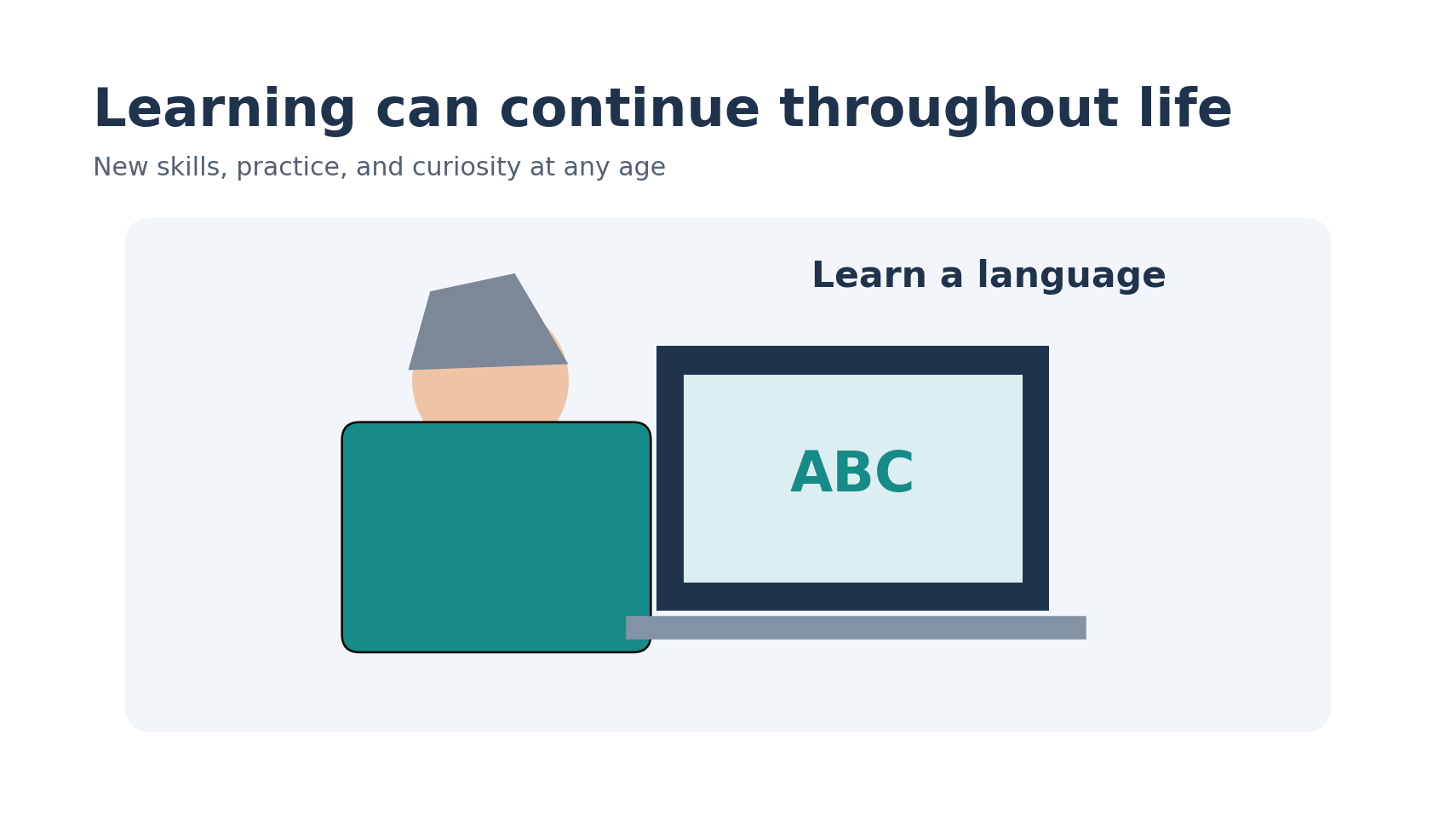
Older adults can continue learning new skills and forming memories. Although learning unfamiliar information may take longer for some people, the brain retains the ability to adapt throughout life.
According to the National Institute on Aging, learning new skills and participating in mentally stimulating activities may support cognitive health. However, researchers are still investigating how long these benefits last and whether they extend to everyday memory.
Vocabulary Often Remains Strong
Vocabulary and general knowledge tend to be less affected by aging than some other cognitive abilities, such as processing speed. In some people, vocabulary skills may continue to develop well into later adulthood through reading, conversations, and everyday experiences.
A 2015 study by Hartshorne and Germine found that different cognitive abilities reach their highest levels at different ages. Their findings suggest that certain knowledge-based abilities can remain strong later in life, even as other skills begin to change.
Memories from Younger Years Can Stand Out
Older adults often recall more personal memories from their teens and early adulthood than from some other periods of life. This pattern, known as the reminiscence bump, commonly involves memories from approximately ages 10 to 30.
A 2018 systematic review published in PLOS ONE, which examined 68 studies, confirmed this general pattern. However, the age range varies depending on the individual and how memories are recalled.
Memory Abilities Vary Between Individuals
Some people in their 80s perform exceptionally well on certain memory tests. Researchers at Northwestern University call them SuperAgers when their memory performance is comparable to that of people several decades younger.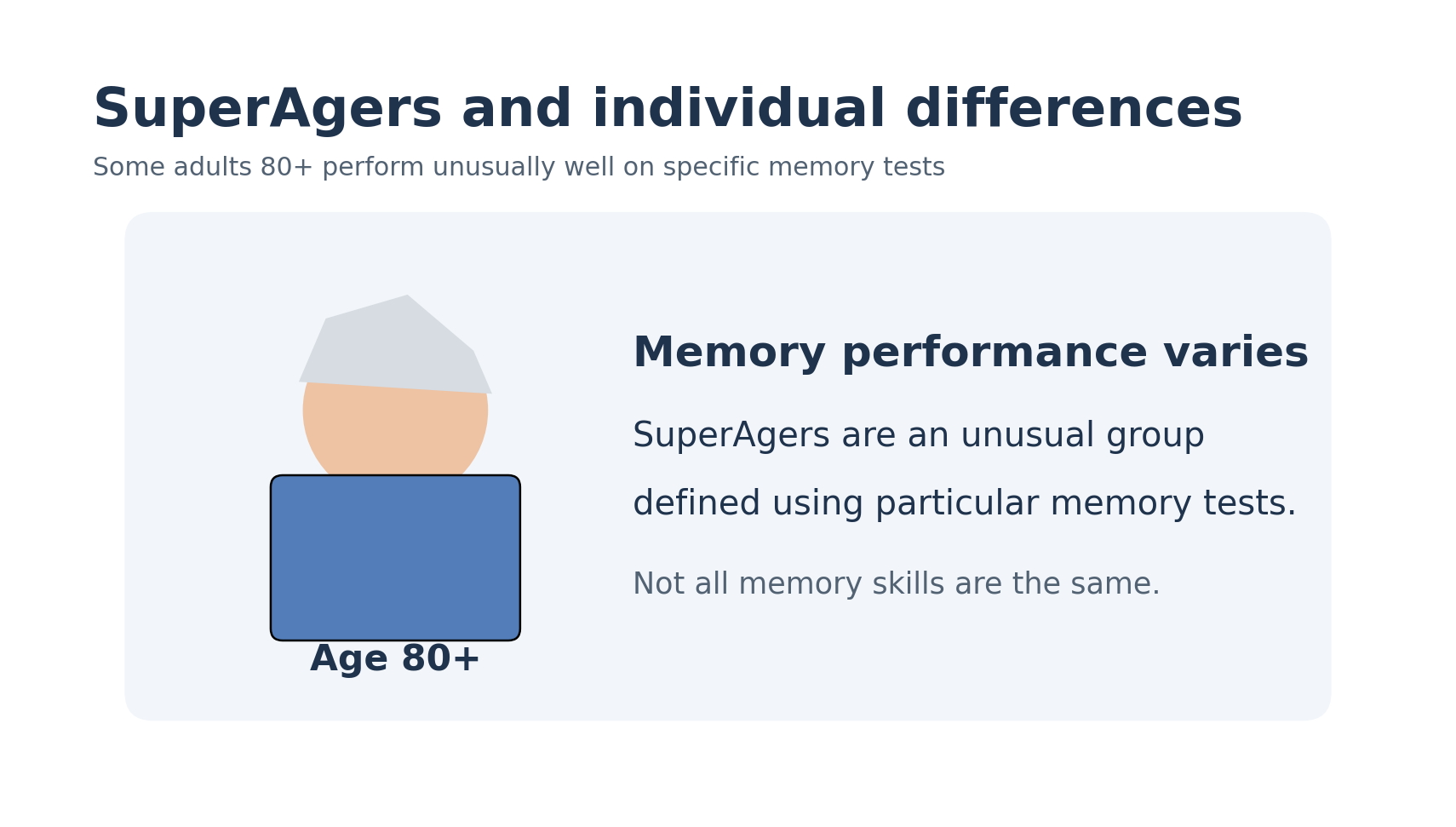
The Northwestern University SuperAging Research Program studies these individuals to understand why some people maintain unusually strong memory abilities in later life. SuperAgers represent a distinctive group, and scientists are still investigating the biological, genetic, and lifestyle factors associated with their memory performance.
How Online Games Can Help Keep Your Mind Active
Online memory games and puzzles offer a simple way to practise attention, concentration, and recall. Matching games involve remembering positions, word puzzles encourage vocabulary and word retrieval, and logic games require focus and planning.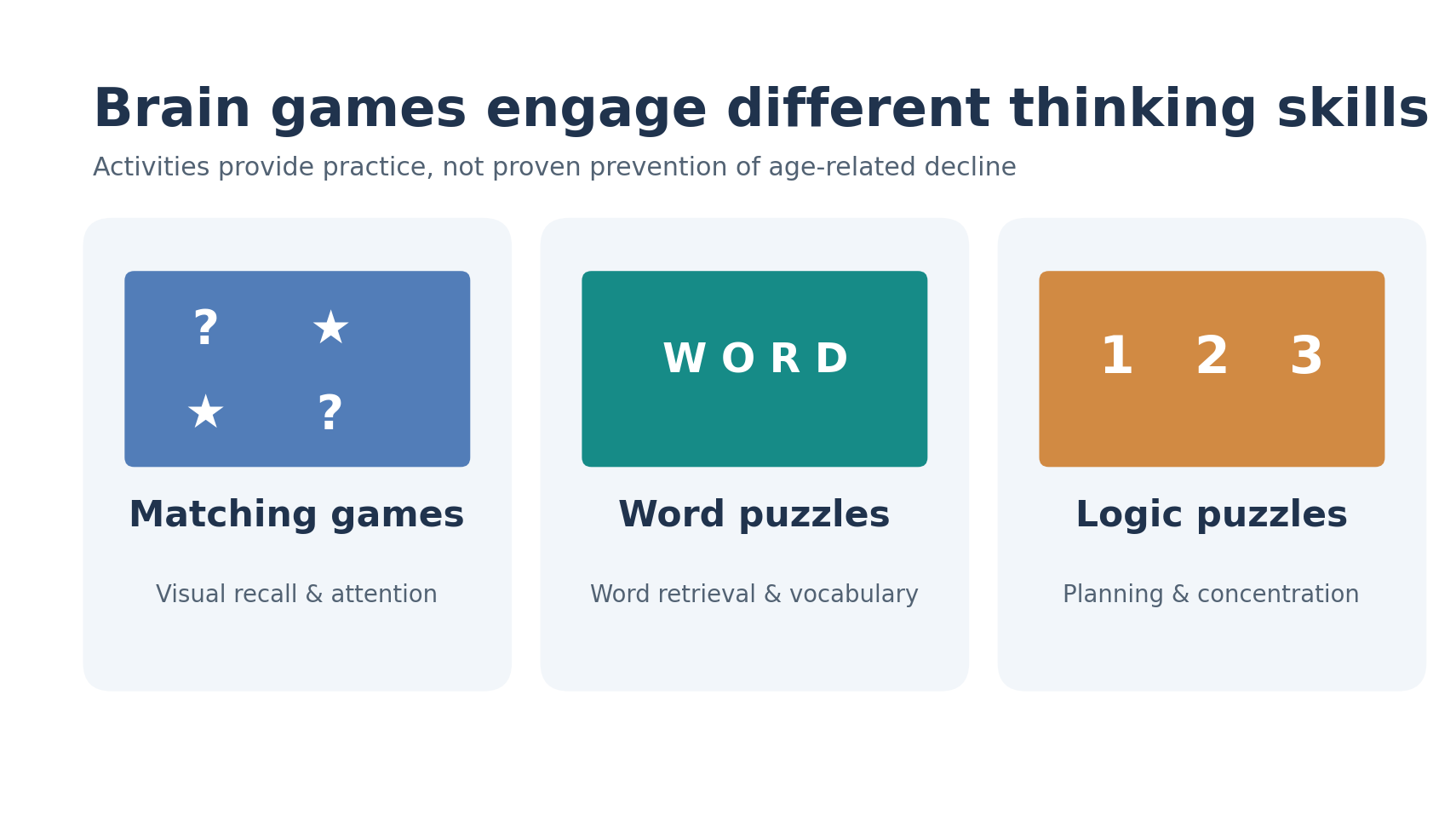
Although research suggests that cognitive training can improve performance on certain practised tasks, there is limited evidence that commercial brain games prevent age-related memory decline or produce lasting improvements in everyday memory. The National Institute on Aging recommends being cautious about such claims.
Still, memory games can be an enjoyable way to stay mentally engaged, explore different challenges, and practise specific thinking skills at your own pace.
What are the best memory games for seniors?
When it comes to older adults, the most effective brain training requires clear visuals, intuitive controls, and gameplay that moves at a comfortable pace. The best memory games for seniors are those that challenge the brain without causing unnecessary stress or requiring lightning-fast reflexes.
Here are a few popular types of games you will find in this category:
-
Classic Card Matching: Featuring large, easy-to-read icons and bright colors. Finding pairs of animals, everyday objects, or classic playing cards is a wonderful way to exercise short-term memory.
-
Pattern and Sequence Recall: Games that ask you to remember a simple sequence of lights or sounds. These are excellent for improving focus and working memory at a gentle pace.
-
Spot the Difference: Comparing two images to find what has changed or what is missing. This highly engaging activity helps sharpen visual processing and attention to detail.
-
Everyday Item Association: Connecting objects that go together helps reinforce daily cognitive associations in a fun, rewarding way.
The Benefits of Playing Free Memory Games for Seniors
Making memory games for seniors a regular part of your daily routine offers a wealth of benefits for healthy aging:
-
Enhances Neuroplasticity: Learning the rules of a new game and practicing memory recall encourages the brain to build and maintain new neural connections.
-
Improves Daily Function: Regular mental exercise can help make everyday tasks - like remembering grocery lists, keeping track of medication times, or recalling names - feel much easier.
-
Provides Stress-Free Entertainment: Beyond the cognitive benefits, our games are simply fun! They offer a relaxing way to spend an afternoon over a cup of tea.
Engaging in regular mental exercises is a practical way to support healthy cognitive aging. To help maintain motor reflexes and visual focus, try guiding the running dinosaur in the simple No Internet Game. If you enjoy math and forward-planning, the tile-merging puzzle 2048 offers a gentle workout in spatial logic.
Traditional card games are also excellent for the mind; analyzing your moves in FreeCell Solitaire or navigating the open-pile rules of Baker's Game helps exercise working memory and deduction. Additionally, you can easily track and practice your mental processing speed using our user-friendly Reaction Time tool.
Accessible, Safe, and 100% Free
We know that navigating the internet can sometimes be confusing, with unexpected pop-ups, confusing app stores, and hidden subscription costs. That is why memorygames.net is designed to be as user-friendly as possible.
All of the titles in this section are 100% free memory games for seniors.
-
No Downloads Required: Play instantly on any computer, iPad, or smartphone browser.
-
No Account Creation: You don’t need to remember a password or hand over your email address to start playing.
-
Large, Clear Interfaces: Our games are selected for their clear graphics, making them accessible even for those with mild vision impairments.