Free Memory Games






Free Reaction Games


Sudoku for Memory and Cognitive Wellness
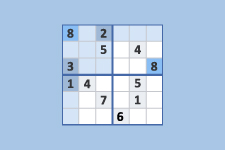
Many people look for simple, enjoyable ways to keep their minds sharp and active. While physical exercise is essential for the body, mental exercise is equally important for the brain. Classic games like Sudoku have gained popularity not just as a pastime, but as a practical tool for cognitive stimulation. Engaging with numbers and patterns regularly can be a helpful addition to a brain-healthy lifestyle.
How Sudoku Exercises Your Working Memory
Working memory is the cognitive system responsible for temporarily holding and processing information in your mind. It is what allows you to remember a phone number just long enough to write it down, or follow multi-step instructions.
Sudoku is a direct workout for this specific type of memory. When you play, you must constantly keep multiple pieces of information in your head at once. For example:
-
You must remember which numbers are already used in a specific 3x3 block.
-
You have to track which candidates you have eliminated from a column.
-
You must hold temporary "if-then" scenarios in your mind (e.g., "If 4 goes in this corner, then 7 must go in the bottom row").
By regularly keeping these details active in your thoughts, you are practicing the mental retention skills that support daily working memory.
Promoting Cognitive Activity and Healthy Aging
As we age, it is natural for cognitive processing speed and short-term recall to experience gradual changes. Just like physical muscles, the brain benefit from regular use. While puzzles are not a cure-all, cognitive exercises like Sudoku are widely recognized by health professionals as a positive way to keep the mind engaged.
Consistently challenging yourself with new puzzles helps stimulate neural pathways. By moving from easy grids to more complex difficulty levels, you prevent your brain from going on autopilot, encouraging the mind to adapt, recognize new patterns, and develop efficient problem-solving strategies.
Our unblocked games make brain training easy, accessible, and fun for everyone. Start building essential recall skills with engaging activities for Kids, challenge your working memory with complex tactical puzzles for Adults, or enjoy relaxing, mind-sharpening classics designed specifically for Seniors. Select your category and begin your mental workout right now!
The Balance Between Short-Term Focus and Long-Term Strategy
Solving a Sudoku puzzle requires a balance of two different cognitive processes:
-
Short-Term Focus: Spotting immediate opportunities on the board, tracking single rows, and executing quick eliminations.
-
Long-Term Strategy: Recognizing recurring visual patterns across the entire 9x9 grid and applying methodical solving techniques (such as tracking "pairs" or "triples").
This combination encourages your brain to switch between high-detail scanning and big-picture planning, keeping your cognitive faculties flexible and well-rounded.
Practical Tips to Challenge Your Memory with Sudoku
To get the most cognitive benefit from your puzzle sessions, consider trying these simple adjustments to your gameplay:
-
Limit the Use of Pencil Marks: Occasionally try to solve easier or medium-level puzzles entirely in your head without writing down draft notes. This forces your working memory to hold more information at once.
-
Step Up the Difficulty: Once a certain level starts to feel easy or comfortable, try moving up to the next tier. True cognitive exercise happens when the brain is forced to work a little harder to find the solution.
-
Make it a Consistent Habit: Spending 10 to 15 minutes a day solving a puzzle is generally more beneficial for mental agility than playing for hours only once a week.
Solving Sudoku is an excellent way to exercise your focus, working memory, and deductive logic. If you enjoy this type of analytical thinking, you might also find our other brain-training games rewarding.
For a puzzle that combines spatial awareness and numerical planning, we suggest trying the tile-merging mechanics of 2048. If you prefer a slower, coordinates-based puzzle, the classic risk-assessment grid of Minesweeper offers a great logic challenge. Finally, to see how your concentration and visual tracking translate into active recall, you can take a few minutes to test your skills on our Memory Test.